Commute Worse Than Once Thought For Many GTA Workers
Posted January 31, 2007 12:00 pm.
This article is more than 5 years old.
Does your job drive you crazy or does your drive make your job crazy?
It’s not an easy question to answer if you look at the figures from a new study on commuting in the G.T.A.
The reseacrh, done for Transport Canada, Living Green and SuiteWorks Inc., shows some of us are so sick and tired of the battle to get from here to there, we may actually be tempted to give up our jobs because of it.
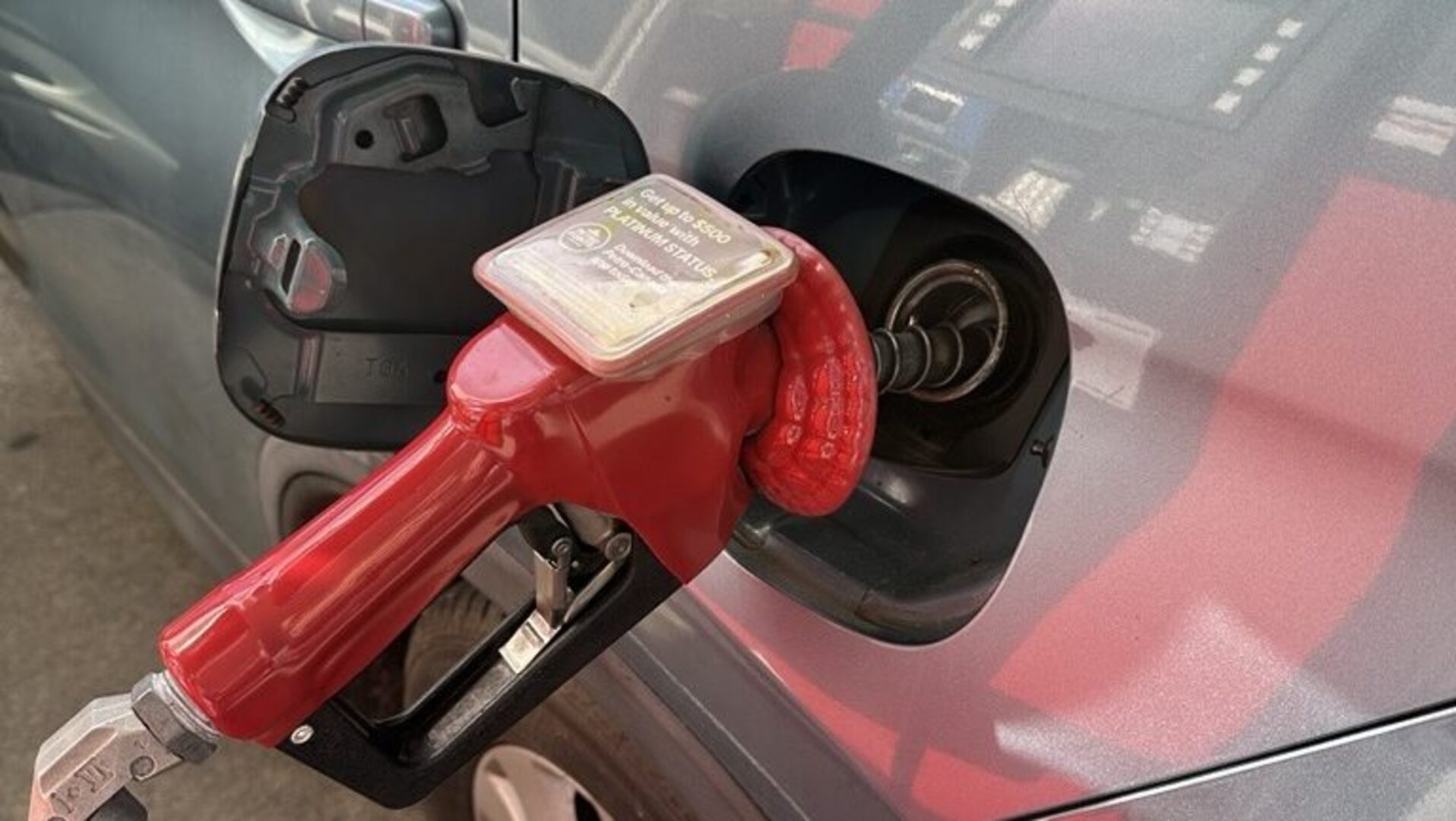
Gridlock, high gas prices, bad weather, long distances and more are all causing emotions to boil over.
And for many, they’re getting nowhere fast.
The study claims the average Greater Toronto Area driver spends just over 90 minutes going one way to the office, then repeating that endless trek back in the afternoon.
Researchers interviewed 230 people who do the daily grind, and found that fully two-thirds admit they’ve thought about changing jobs to get closer to their home.
It didn’t take much prodding to find the average driver agreeing.
“I typically commute from Oakville on the 407 to Markham, and that’s on a good day about 45 minutes,” estimates one.
“Keswick to Brampton and it takes me a little over an hour,” adds Gerald Graf.
“I commute for approximately two hours a day, two-and-a-half probably realistically,” states Jim Middleton.
Middleton’s been one of the big cheeses in this rat race for 25 years. His daily drive takes him from Barrie to Woodbridge, then back again.
“Some days it’s extremely tiring,” he sighs. “By the time you get to work, you feel like you’ve done a day’s work.”
And while most think of the time they’ve lost, fewer realize it’s taking a big toll on their wallets, as well.
“It costs almost twice what people think they’re paying to do the commute,” suggests study chair Scott McCrindle.
How much is your commute costing you per week? Here are some sample figures:
Home: Mississauga
Office: Downtown T.O.
Cost: $105
Home: Ajax
Office: Downtown T.O.
Cost: $189
Home: Newmarket
Office: Downtown T.O.
Cost: $231
Why don’t more quit? The sad truth is they can’t find a job that pays as much in a smaller town, and they can’t afford to move. So on the journey goes.
And it’s not just the workers who suffer.
“(The commute is) painful for their employers as well because we found out many of them are vulnerable to leaving their jobs because of the commute,” points out co-author George Horhota. “And painful on their health.”
There’s also a toll on the environment, with so many smog producing cars going so many directions for so long – all at once.
But Middleton worries it’s the cost that’s not in dollars that’s the most expensive: his absence from his family.
“They’re asleep when you leave, and you get to see them in the evening, depending on what time you get home,” he laments.
What’s the solution? Experts suggest telecommuting when possible – working by Internet, fax and phone from your home – is the best option.
But not everyone has that available to them, getting back into their cars every weekday to start it all over again.
Rotating rides with coworkers and neighbours not only reduces emissions, it saves money and reduces the wear and tear on your vehicle. Companies can also use their vans to pick up employees and drive them to work.
There are a number of carpooling and car sharing networks in Toronto, including:
courtesy of the City of Toronto
- Schedule a meeting: Get together to introduce yourselves and plan your carpool.
- Discuss everyone’s preferences: The little things can mean a lot, so don’t overlook choice of radio station, legroom, smoking policy, starting time on bad weather days, etc.
- The golden rule: Agree that your carpool serves one purpose only: commuting to and from work. Do not expect your partners to make side trips for shopping or errands.
- Agree on cost sharing: Determine how much money will change hands, whether it’s a per kilometre charge or just sharing gas and parking costs. Agree when this is to be collected and stick to it.
- Create a back-up plan: Make sure everyone has exchanged work and home phone numbers, and agree on what happens in the event of illness or delay.
- Common sense stuff: Be prompt and don’t honk. If the driver is on time and passengers are ready and waiting, there’s no need for the horn. Set a waiting time limit and everyone will get to work on time.
- The driver’s seat: You may want to arrange a permanent driver, or share the driving duties. Both ways, you save.
- Insurance coverage: Check with your insurance agent to make sure you have the proper coverage – most of us do. If you’re no longer driving your car to work, check to see if your insurance agent offers a discount.
- Vehicle maintenance: A well-maintained car is safe, reliable and comfortable. It’s also better for the environment.
If You’re Not Ready To Give Up Your Car Yet…
Buy a hybrid.
Sign up for a del.icio.us account here to save your bookmarks for free online.