Proposed Delay In Passport Requirement Falls Through
Posted September 28, 2006 12:00 pm.
This article is more than 5 years old.
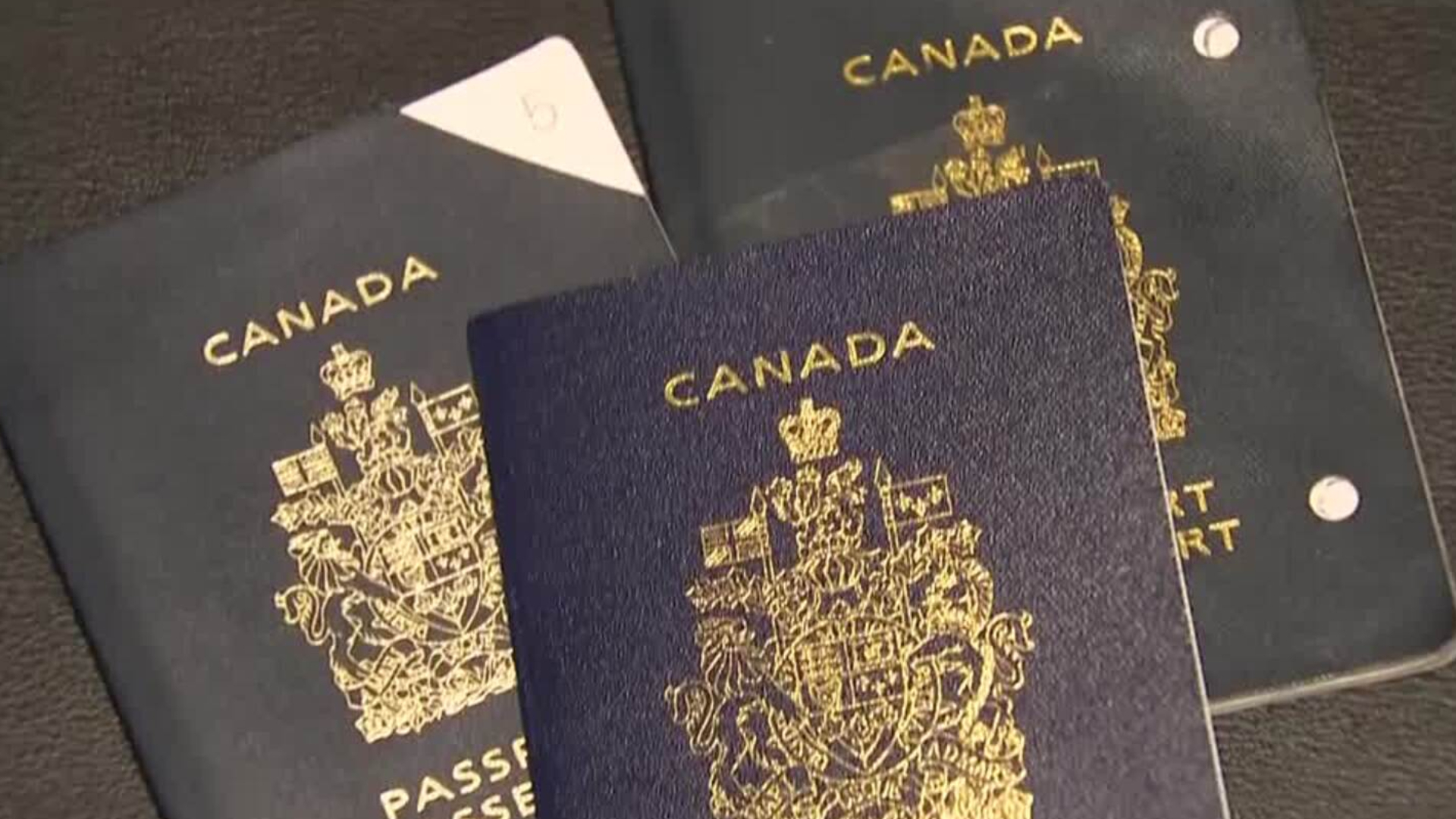
Canadians may require their passports sooner than they think in order to get into the United States.
A proposal to delay the passport requirement, which was approved by U.S. Congress in 2004 as a way to prevent terrorism and illegal immigration, has reportedly fallen through. The rule requires all Canadians and Americans crossing the border by land to have a passport.
U.S. Senate and Congress lawmakers had agreed on Tuesday to delay imposing the new rule along the U.S.-Canadian border until June of 2009, but just before the vote Wisconsin Republican James Sensenbrenner objected to it and convinced House Speaker Dennis Hastert to remove the extension.
That puts the deadline for Canadians to have their passports back to the original scheduled date of January 1, 2008 – a little more than a year away.
Businesses on both sides of the border are upset about the new rules, saying they stand to lose millions in the deal. The fear is that citizens will find getting a passport is too expensive and too much of a hassle and will simply stop making the cross-border trips. The estimate is that Canada could stand to lose $2 billion a year when the requirement takes effect.
Canadian politicians had been lobbying for the delay, and Ontario Tourism Minister Jim Bradley contends passports are too expensive and too inconvenient.
He backs Michigan’s bid to have the rule changed so people would need only a driver’s licence with an enhanced security component to travel across the border.
“What we want to see is an existing document that people have,” said Bradley, who warned that requiring a passport or similar document “would have a devastating effect on tourism and trade, to a certain extent, for those of us along the border.”
Bradley represents a Niagara region riding not far from the border. The U.S. Department of Homeland Security plan, tabbed at US$34.8 billion, will also look at the feasibility of erecting a security barrier along the Canadian border.