Coronavirus Q&A: Toronto’s preliminary J&J rollout plan
Posted December 3, 2021 3:17 pm.
Last Updated January 14, 2022 4:36 pm.
We know you have concerns about the ongoing coronavirus pandemic and we’re working to get you answers, straight from the most trusted sources in a series of LIVE Q&As where experts and officials will answer your questions.
Toronto’s Associate Medical Officer of Health, Dr. Vinita Dubey, answered your COVID-19 related questions in a LIVE interview on Wednesday, Dec. 8 at 12:30 p.m. on our YouTube page as well as here on our website.
Watch the full interview with Dilshad Burman in conversation with Dr. Vinita Dubey in the video above.
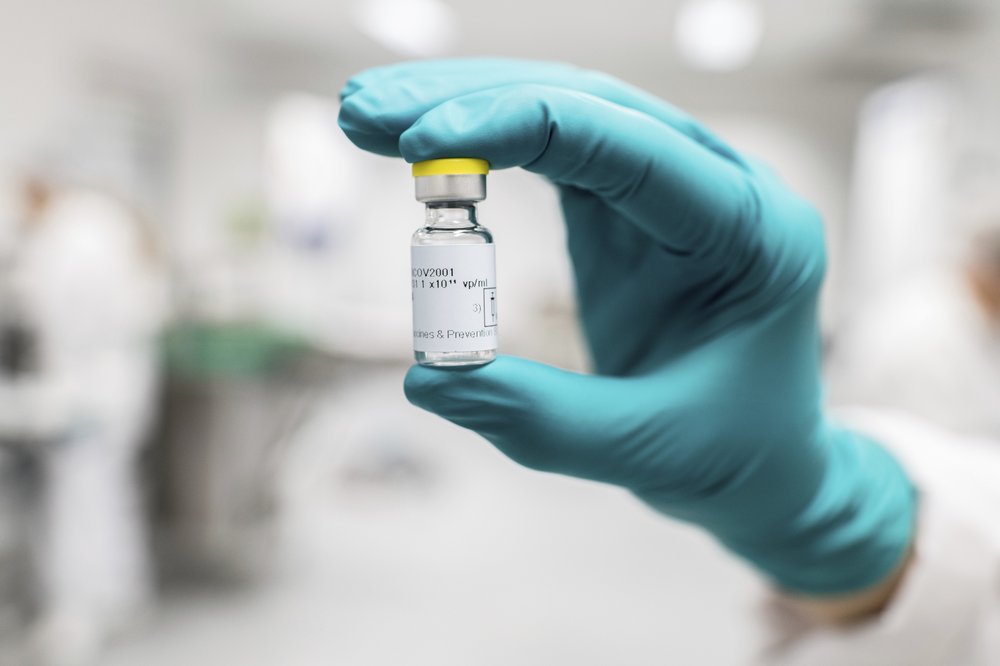
One of the questions the doctor answered was about the availability of Johnson & Johnson vaccines in Ontario and how Toronto Public Health will handle distribution.
Dr. Dubey says:
There’s going be more information coming on this. There were a very, very small number of J&J doses that were received, so probably not enough for everyone who wants one.
Those who really have a contraindication to getting a messenger RNA vaccine, they cannot get that vaccine, this is the only other vaccine that’s available for them — they will be given first dibs. And so really what you need to do is to see your doctor to see if you qualify in that way.
We are working on figuring out the exact criteria based on the number of doses and so hope to be able to provide some more information, but because there was a such a small number of doses, it’s not the kind of thing that will be able to open up a clinic and say, ‘anyone who wants this vaccine can come now.’
So if you live in Toronto it will be based on an eligibility that I know my colleagues are working on very closely. If we only get 50 doses, for example of the vaccine, and the demand is higher than that, you really have to have an eligibility list.
I think it’s important to know that the J&J is a good alternative for those who can’t get a messenger RNA vaccine. But I think the studies are quite clear that J&J and AstraZeneca — these are viral vector vaccines — and they are less effective compared to our messenger RNA vaccines, Pfizer and Moderna. So I would still urge people that the messenger RNA vaccines are a better choice for a lot of different reasons.
Watch the doctor’s answer below:
Here are a few more questions Dr. Dubey addressed:
(Questions were moderated and have been edited for grammar, punctuation and clarity)
Q: Pfizer says a third shot of its vaccine is going to be good protection against the Omicron variant. So does this mean that every time there’s a new variant we’ll have to take another booster shot?
A: It’s really hard to predict what a new variant is going to mean.
The current vaccines that we have have provided good protection against the variants — we had our original COVID, we had the Alpha variant and then the Delta variant. We know that the vaccines worked well against all of those.
So it really depends on how has the virus changed or mutated. And really the key place where we’re looking for changes is on the spike protein, because that’s how we actually recognize the virus when we’re infected. That’s how the vaccines actually work. So as long as the spike protein is mostly the same, we will likely still have good protection with our vaccines, which means that no, not every variant is going to mean a new vaccine.
Q: When will the five to 11-year-old kids get their second dose, will it be before the holiday break?
A: The dosing between dose one and dose two is now recommended to be eight weeks, it’s recommended for everyone — especially for five to 11 year olds, that was by the National Advisory Committee on Immunization.
The reason for that is the eight weeks means that when you get your second dose, you’ve had a longer interval between the first and second dose and so you get a stronger immune response from that second dose of vaccine. Eight weeks we know means that you are less likely to get some of the more significant side effects from the vaccine. So for example, myocarditis and pericarditis, less common to occur in those who had a longer spacing between the two doses. So that’s why we recommended the eight week interval.
Q: The Omicron variant is supposed to cause less severe illness. Is that true? And if so, do we still need to be as careful as with the original COVID strain or the Delta variant?
A: I think there have been some early reports that people who have got the Omicron variant had less serious illness. It’s really hard to know though whether that’s really the way Omicron is going to shape out. We’re going to need still a bit more data on that.
We also have to remember that we’ve seen with even some of the other variants, that the virus can be mild in people who are younger. People who are older, who get the same strain can actually get very, very sick. So I don’t think we can conclusively decide yet whether the Omicron variant is a mild illness — maybe it’s milder in those who have the vaccine compared to not vaccinated. We’re going to need a bit more information.
Q: Why are partial vaccinated people having less breakthrough COVID infections than fully vaccinated people?
A: You have to consider what we call in science, the denominator. So you can’t just look at the numbers of people who are partially vaccinated and get COVID.
Suppose it’s 10, but maybe there are only a hundred people out there who are partially vaccinated. That’s a 10 per cent rate compared to fully vaccinated. Maybe there’s a thousand people who are fully vaccinated. If you have even 50 of them who get COVID, the rate is still lower than compared to partially vaccinated. It’s lower risk overall, if you’re fully vaccinated and get COVID and there are so many more people who are fully vaccinated now.
Scroll through some of the questions submitted to this session below.
Note: questions were moderated before appearing in the chat window