1 dead as Toronto Public Health declares meningococcal disease outbreak
Posted August 25, 2022 8:56 am.
Last Updated August 25, 2022 5:53 pm.
Toronto Public Health (TPH) is reporting a meningococcal disease outbreak in the city, which officials say has left one person dead and two others infected with the illness.
Health officials say there have been three cases of invasive meningococcal disease (IMD) so far.
The infected individuals, between 20 and 30 years old, began experiencing symptoms between July 15 and July 17. They were born outside of Canada in countries that don’t provide childhood immunization against the disease.
TPH says one of the patients has since died.
Officials have not been able to identify a link between the cases but say all three individuals have the same rare strain of serogroup C meningococcal disease.
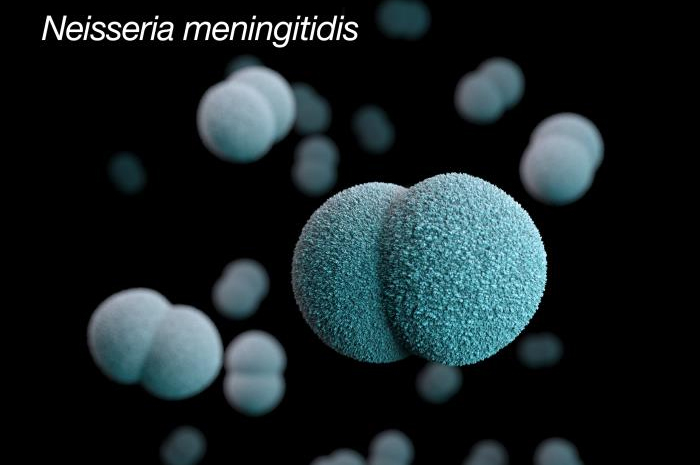
Meningococcal disease refers to an illness caused by bacteria called Neisseria meningitidis, which is often severe, can be deadly, and includes infections of the lining of the brain and spinal cord (meningitis) and bloodstream.
Symptoms begin with fever, aches, joint pain, headache, stiff neck and sensitivity to light, which can be similar to those of flu and viral infections, making it difficult to diagnose.
“People spread meningococcal bacteria to other people by sharing respiratory and throat secretions (saliva or spit). Generally, it takes close or lengthy contact to spread these bacteria,” TPH says.
Toronto typically sees six cases of IMD each year. However, public health has identified three cases in just one week, which prompted them to declare an outbreak.
“To see three cases clustered in such a short time period of just one strain is unusual,” Dr. Rita Shahin, Toronto’s Associate Medical Officer of Health, tells CityNews.
TPH says the disease mostly seems to affect younger children under five years old, teenagers aged 15-18, people living in crowded living quarters, those who have travelled to areas where the disease is more common, such as sub-Saharan Africa, those experiencing another respiratory tract infection, smokers, and those living with HIV.
“It’s a concern because certainly untreated, it can be quite serious. It has a high case fatality rate, a high risk of death if you are infected and not treated promptly,” says Timothy Sly, a communicable diseases expert.

Meningococcal disease is one of several that children must be immunized against to attend school in Ontario. Provincial guidelines say babies should receive vaccinations for the disease at 12 months old.
Children in Toronto are routinely immunized against the disease when they are a year old and in Grade 7. Toronto’s Grade 7 meningococcal vaccine campaign started in 2005 and included a catch-up for youth aged 15-19. This means a proportion, but not all, of people currently in their 30s who grew up in Toronto, are vaccinated, which is why TPH is recommending that people check their records.
“People can check with their health-care provider, they can check with their parents, their parents might have some information,” Dr. Shahin.
Public health officials say the vaccine is highly effective, and those immunized would rarely develop symptoms.
Due to the lockdowns and disruptions due to the COVID pandemic, there is concern people might not be up to date on their vaccinations.
“We would encourage people who may not have had the Grade 7 shot because school was so disrupted during the pandemic to take advantage of our school catch-up campaign as well,” Dr. Shahin says.
TPH says adults between the ages of 20 and 36 years old who have not received a meningococcal disease vaccine are “strongly recommended” to contact their healthcare provider as soon as possible.
Click here for more information on the disease and vaccinations.
A report from The Canadian Press