4 ‘Ostomy Athletes’ to climb the Seven Summits around the world
Posted March 9, 2023 3:40 pm.
Last Updated March 9, 2023 7:11 pm.
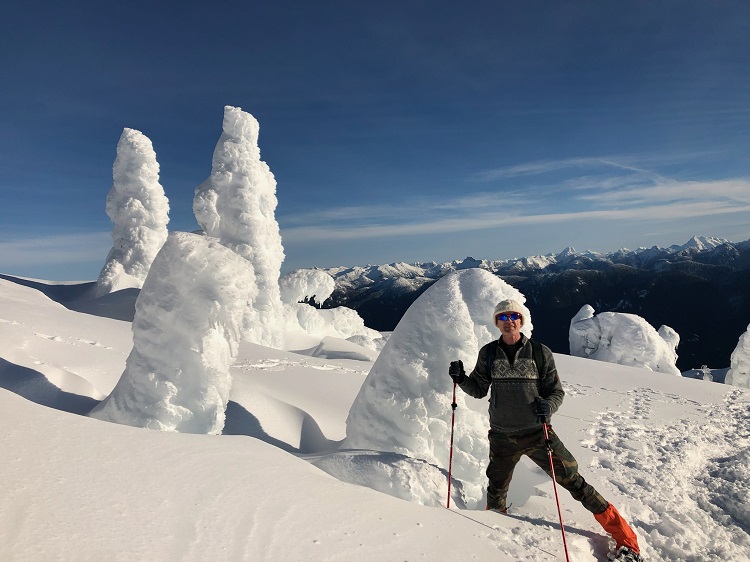
A group of four people from Canada, the U.S. and the U.K. who each have Crohn’s Disease and Ileostomy are setting their sights on a lofty goal, climbing the tallest mountains on each of the seven continents and pursing the Explorer’s Grand Slam.
The group, which calls themselves the Ostomy Athletes, hope to begin their epic adventure in September this year and it’s expected to take until Dec. 2026 to complete.
The seven summits including Everest, Kilimanjaro and Denali while the Explorer’s Grand Slam will consists of skiing to the North and South Pole.
Patrick Belton, a Toronto native, put together the team and will be joined by the only man to ever climb some of the world’s tallest mountains, including Everest with an ostomy and an inflammatory bowel disease.
The team will be the second.
Belton tells CityNews he came up with the idea after he was two to three years into his recovery from his 13th intestinal surgery and began hiking a trail in Cape Breton.
“That was the first time in 10 years that I’ve recovered what I call my physicality and some degree of athleticism. And I thought there’s hope in this and we can inspire other people in our community,” he said.
He explains why it’s so much more difficult for someone with their conditions to reach the summit of a mountain. “At high altitude a rate of dehydration, our rate of nutrition and calories burn is so extreme to compare it to someone else.”
“By setting the bar high for our community, they see us suffering on the mountains the way we do, they can translate that to their own version of Mount Everest in their own life, it might [just] be walking down the block,” said Belton
Charlotte Foley, of Anchorage Alaska, will be among the climbers as well adds they also have to be conscious of the food they’re eating.
“We are prone to dehydration. And at altitude, especially, there can be all sorts of digestive complications, whether that’s from different foods that you’re eating on the mountain. Also, just cleanliness on the mountains, and so, that can lead those things can lead to more difficulty with digestion or putting us at risk for developing issues out there in the mountain.
Foley has already attempted to summit one of the mountains they plan to climb. She shares how mountaineering has become a passion for her in the last couple years.
“Patrick [actually] reached out to me on social media,” said Foley. “I have a love for the outdoors and nature and climbing and I’ve actually started some advocacy, work myself and run a social media platform called backcountry ostomy. My goal individually was always to share with others about how they can get outside and return to activity, despite living with an ostomy or an illness or chronic illness.
She said there are a lot of people who have taken to sharing their experiences with chronic illnesses online.
“These chronic illnesses like Crohn’s disease can be really isolating and so the ability to see what others are experiencing and see that there’s hope out there and that you can move beyond your illness or your disease and really get back to enjoying life. It’s really what is this community is all about.”
Belton said they have already begun to train and prepare to begin their adventure.
“We have to train for months in advance to prepare for all these expeditions, so you just don’t show up on the mountain we have to research our routes, prepare our bodies through specific training to a given mountain,” explained Belton.
He adds they will also have to be flexible with their plans due to the extreme nature of mountaineering and the weather.
The group hopes to raise money to charities who support those with an ostomy bag or with Crohn’s and other intestinal bowel diseases and raise more awareness.
“So many individuals who experienced these conditions end up having ostomy surgery, and that’s a surgery that diverts in our case, part of our bowel or our digestive tract, in some cases, it diverts the bladder. And that diversion then comes through an opening in the abdominal wall and allows our waist to empty into an external bag,” explained Foley. “It’s a lifesaving procedure. In many cases, in, I know, Patrick and my case, it gave us back our life [and] allows us to do much more than we could before our surgery.”
A series of documentaries will also be filmed during the mountain expeditions and will include the stories of the Ostomy Athletes to highlight how much they’ve overcome to achieve these feats.
For more information on their adventure, you can head to their website.