Canadian pharmacists push for more access to routine immunizations
Posted October 21, 2021 5:15 pm.
Last Updated October 21, 2021 5:35 pm.
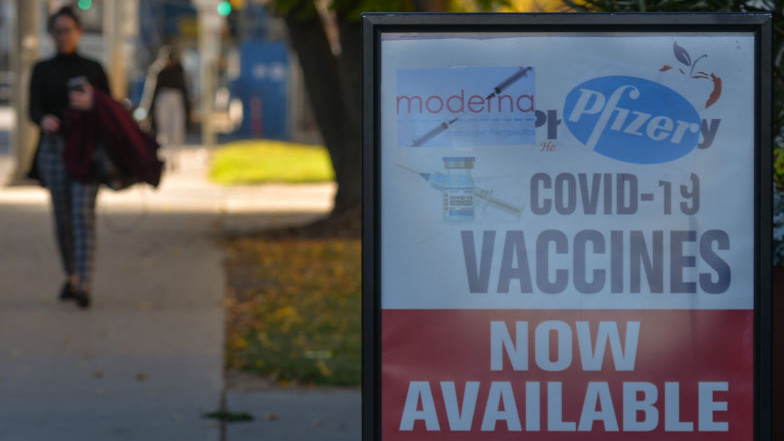
Pharmacists across Canada are urging provincial governments to allow them to provide routine immunizations.
The push comes as health officials say they have seen a significant decline in routine vaccinations during the pandemic.
“It’s by far the biggest decline we’ve seen,” said Dr. Jia Hu, a family physician. He says the number of people requesting routine vaccines has dropped substantially.
“Normally vaccination rates are pretty stable,” says Hu. “It’s not like one year 90 per cent of people get the measles vaccines and the next year 85.”
Dr. Hu attributes much of the decline to the pandemic. Since COVID-19 began spreading, many people have been avoiding doctors’ offices. Dr. Hu also links the decline to in-school vaccination programs for students being put on pause.
RELATED: Ontario launches flu shot campaign during COVID-19 fourth wave
“We really want to get to the rates of uptake before the pandemic because we don’t want to see things like measles outbreaks and people not getting HPV or cervical cancer down the line.”
A recent survey from the Neighbourhood Pharmacy Association of Canada shows one in four adults have missed a routine vaccination. The data also suggests that up to 35 per cent of children may have also missed a critical standard vaccine.
The pharmacy association surveyed 9,091 Canadians between the end of August and the beginning of October. The survey found 26 per cent of respondents missed or delayed a vaccine because they did not want to visit a family doctor or public health office during COVID.
Sandra Hanna is the CEO of the Neighbourhood Pharmacy Association of Canada. She says offering regular vaccinations at pharmacies could boost immunization numbers.
“In our poll, we also found that about 70 per cent of respondents that said they delayed or missed a vaccination said that those delayed or missed vaccinations could have been avoided if there was improved access to healthcare providers who administer the vaccines,” Hanna explains.
Right now, if a patient wants to receive a routine vaccine at a pharmacy, they will have to pay out of pocket. The service could cost hundreds of dollars.
“Pharmacists are able to do this, they’re trained to do it, they’re able to take on that responsibility,” says Hanna. “The challenge is having access to the publicly funded vaccines.”
For now, Dr. Hu hopes officials will get more creative to boost annual routine vaccination numbers.
“From a systems perspective, I think that coming up with novel ways to restore routine care like having pharmacies give these vaccines would be a great idea,” Dr. Hu admits.
“We do need to re-mobilize the healthcare system to deal with things that aren’t COVID.”