‘Stifling’: COVID-19 positive man stuck in long-term care room with no air conditioning
Posted July 21, 2022 5:28 pm.
Last Updated July 21, 2022 5:52 pm.
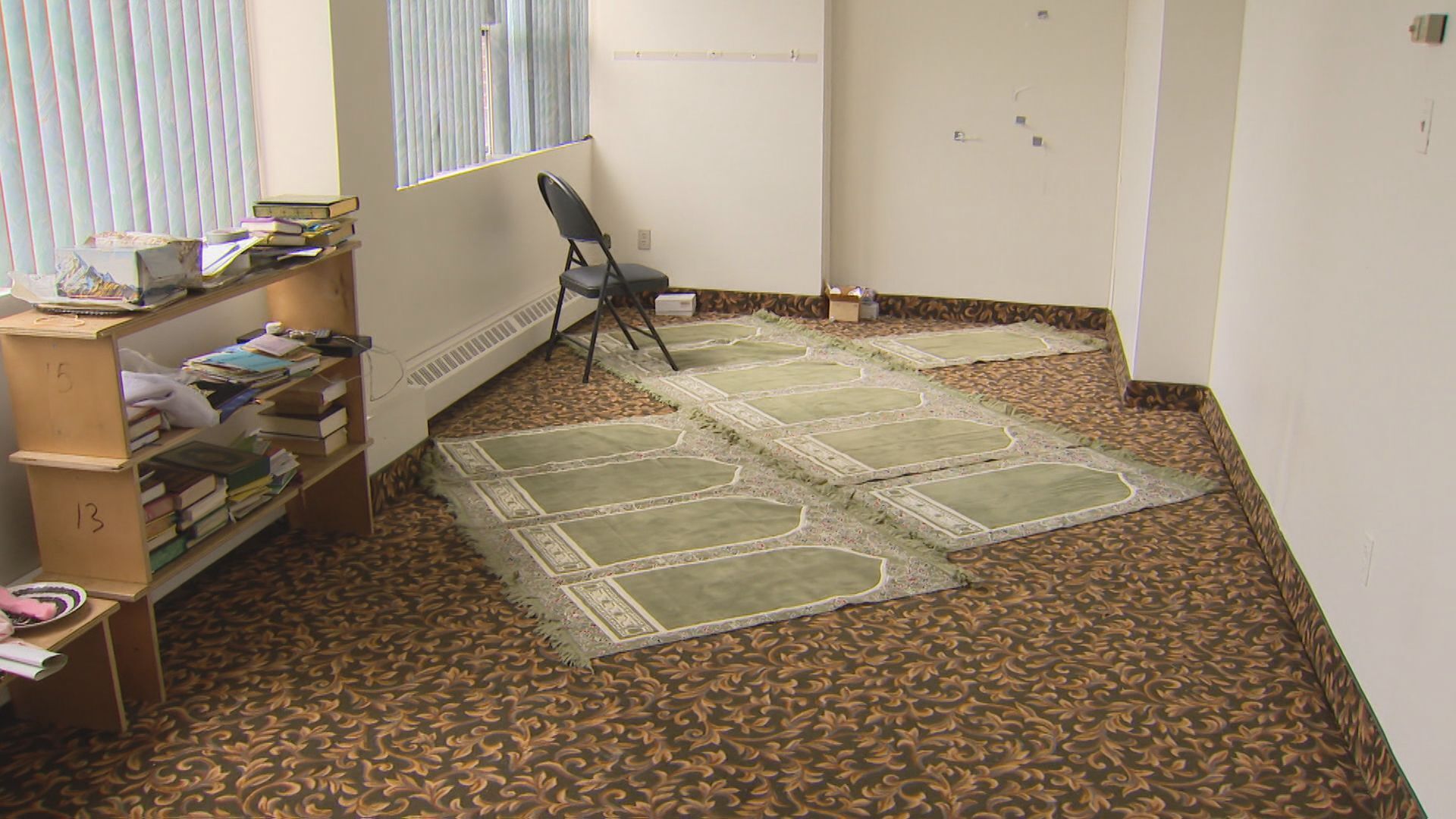
Reima Ruuhala is nearly 80 years old. He has advanced Parkinson’s and dementia and recently tested positive for COVID-19. That means he can’t leave the shared room at his for-profit long-term care home in Toronto — a room with no air conditioning in the midst of sweltering heat and humidity.
“It feels like about 40 degrees in there,” his daughter, Jacy, told CityNews on Thursday.
“The window only opens seven centimetres, that’s it,” she explained. “There’s not a lot of cross breeze that gets through … it’s stifling, it’s very still, it’s thick. Walking in there, it’s like a hot blanket.”
Jacy is worried that her father is becoming dehydrated. He can’t even use a fan to cool down as staff members are worried it would further spread the virus.
“When I got there, he drank three big glasses of liquid. He was so thirsty, so parched,” she said.
She’s also wondering why Premier Doug Ford’s promise to make air conditioning mandatory in every long-term care room hasn’t been fulfilled.
Last year the provincial government passed legislation requiring all long-term care homes to have air conditioners in every resident’s room by June 22nd.
The deadline passed a month ago, but 90 of Ontario’s 627 long-term care homes still don’t have air conditioning.
RELATED: Nearly 100 Ontario long-term care homes yet to install air conditioning in all rooms
When asked Thursday about why the promise hasn’t been kept, Minister of Long-Term Care Paul Calandra said, “we’re working as hard as we can following up with homes to make sure they are doing everything they possibly can.”
Calandra blames supply chain issues and COVID-19 for stalling the air conditioning installations.
Jacy says about half the residents in her father’s home have air conditioning. She admits a recent COVID-19 outbreak in the home stalled the installations but notes the work only began shortly before the government deadline.
“This could have all been done. That’s what’s frustrating,” she said. “They’ve had all spring, all winter, they’ve had all this time to get it doing.”
For now, she’s putting wet towels on her dad’s body and making sure he’s drinking plenty of fluids. She is speaking up for him, she says, because he can no longer speak up for himself.
“What else can we do?”