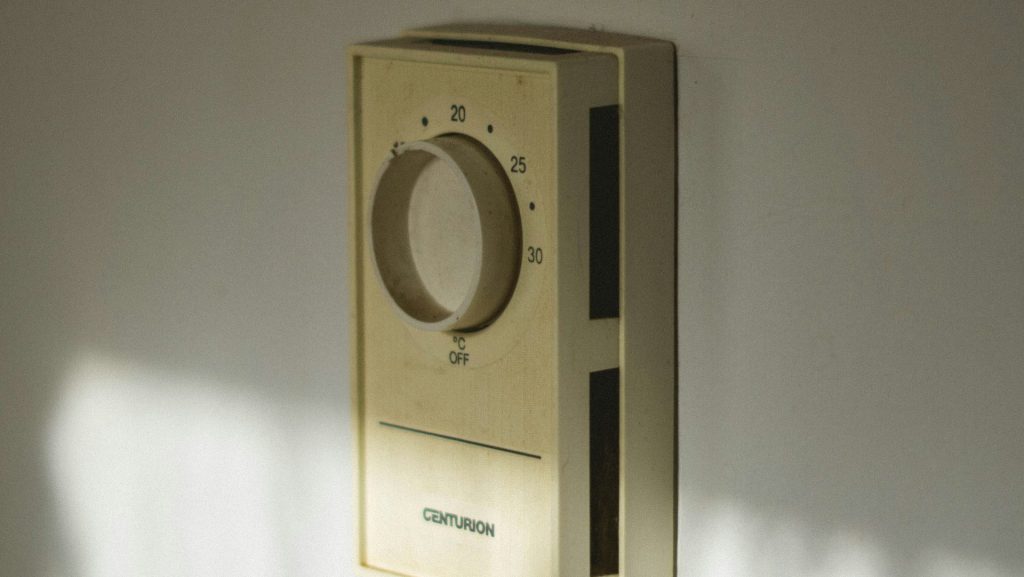
The boiler broke in your rental home. Now what?
Posted March 18, 2024 12:33 pm.
Last Updated March 18, 2024 12:42 pm.
Ontario landlords are expected to provide certain basic services to their tenants and if they break down, tenants must inform them in a timely manner and they’re expected to take action.
As per the Residential Tenancies Act, landlords are responsible for keeping the units habitable, which means they must be safe, in good repair and meet all expected maintenance standards.
If there is any damage to the unit, the landlord is responsible for repairs, irrespective of how the damage occurs.
“The landlord has recourse. They can always allege or go after tenants to say, ‘you did the damage,’ but the responsibility to repair, replace, fix – that lies with the landlord,” explains Kevin Laforest, staff lawyer at Scarborough Community Legal Services.
This includes essentials like heat, water and hydro.
“There can be an exception or an exemption … where someone is personally responsible, for example, for their hydro. So I pay the hydro bill and I didn’t pay the bill. I’ve fallen behind and it’s been cut off,” says Laforest.
Apart from such cases, if a vital service like the boiler or water supply breaks down, the tenant is supposed to inform the landlord, and it needs to be fixed in a reasonable amount of time.
If it’s going to take a while to repair, the landlord needs to provide alternatives while the tenant waits. Laforest says that could range from space heaters to alternate accommodations depending on the severity of the issue.
If the tenant feels the landlord is not making enough of an effort to resolve or mitigate the issue in a timely manner there are municipal and provincial authorities they could turn to to speed up the process.
Municipal Licensing and Standards (MLS)
“By calling for Municipal Licensing and Standards, what they have the ability to do is to send a bylaw officer, an inspector to attend to your unit to see what the issues are,” explains Laforest.
“If those issues rise to the point of being an infraction of the bylaws about keeping units in good repair, then they can issue an order ordering the landlord to do that work.”
In Toronto, MLS can be reached at 3-1-1.
Rental Housing Enforcement Unit (RHEU)
RHEU is a provincial agency responsible for investigating offences under the Residential Tenancies Act.
“There’s actually a number of offences that landlords or tenants are not supposed to do. And the Rental Housing Enforcement Unit is the agency that goes in, reviews those and if necessary, lays charges,” says Laforest.
The agency can use its authority to try and compel the landlord to make the necessary fixes.
“So they can say ‘we will threaten to charge you. We could take this further. You could go to have to appear before a tribunal or a court to answer to these charges’,” he says.
When to call MLS or RHEU
Laforest says in landlord and tenant dealings, all parties are expected to act reasonably. While landlords must respond to and try to remedy issues without unnecessary delay, tenants must also allow some amount of time for repairs to be made.
“I would say if you’re in your unit and you feel it’s unsafe, if you feel that you have given your landlord some reasonable amount of time — maybe it’s a week, maybe it’s two — you haven’t heard back … don’t be hesitant to call and utilize [MLS or RHEU],” says Laforest.
“If it’s winter and you’ve lost heat — these are urgent situations. Something has to be done quickly. Calling 3-1-1 and calling RHEU can be a good way to get the landlord to pick up the phone and to get them to start looking into things as soon as possible.”
Laforest advises that tenants should keep detailed records of when a service broke down, when the landlord was first informed and so on.
“Ultimately, if the landlord has not addressed these issues and they are in violation of bylaw, or if they’re breaking or creating an offense under the RTA, RHEU and bylaw will investigate and they will determine if that is the fact or not,” he says.
If the landlord believes the tenant has broken the rules of the Residential Tenancies Act, they also have the right to call MLS and RHEU to investigate.