Ford slams Canada–China EV deal, warns of job losses and threats to Ontario auto sector
Posted January 16, 2026 8:52 am.
Last Updated January 16, 2026 6:30 pm.
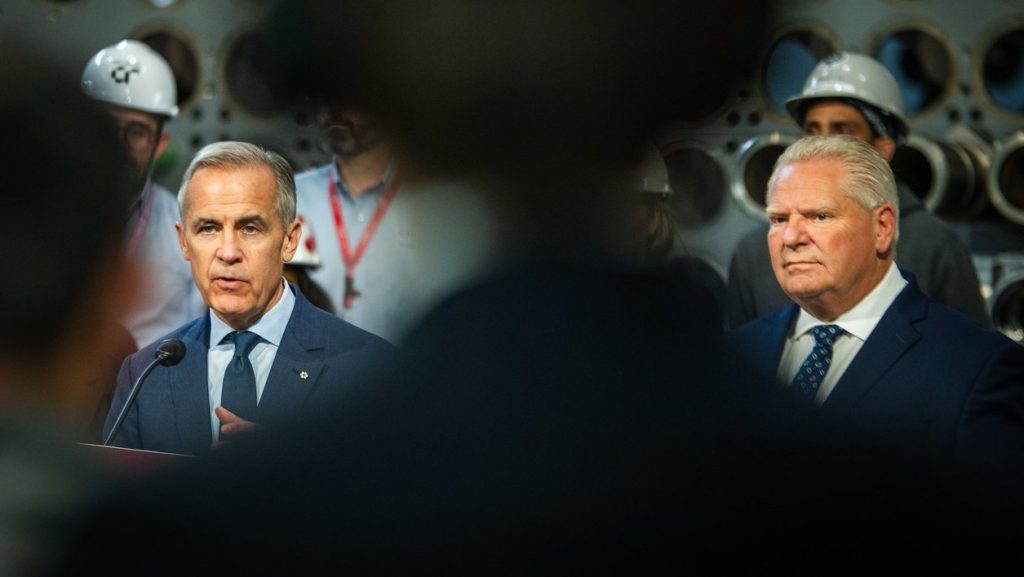
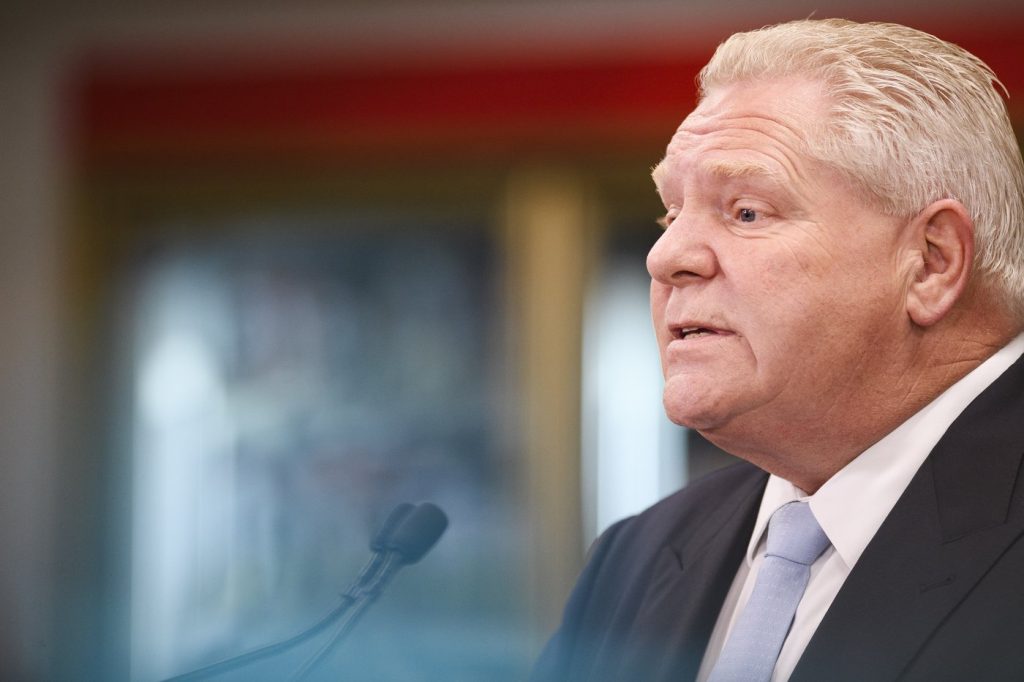
Ontario Premier Doug Ford is sharply criticizing the federal government’s new trade agreement with China, warning that the deal allowing tens of thousands of Chinese-made electric vehicles into Canada will undermine Ontario’s auto industry and put Canadian workers at risk.
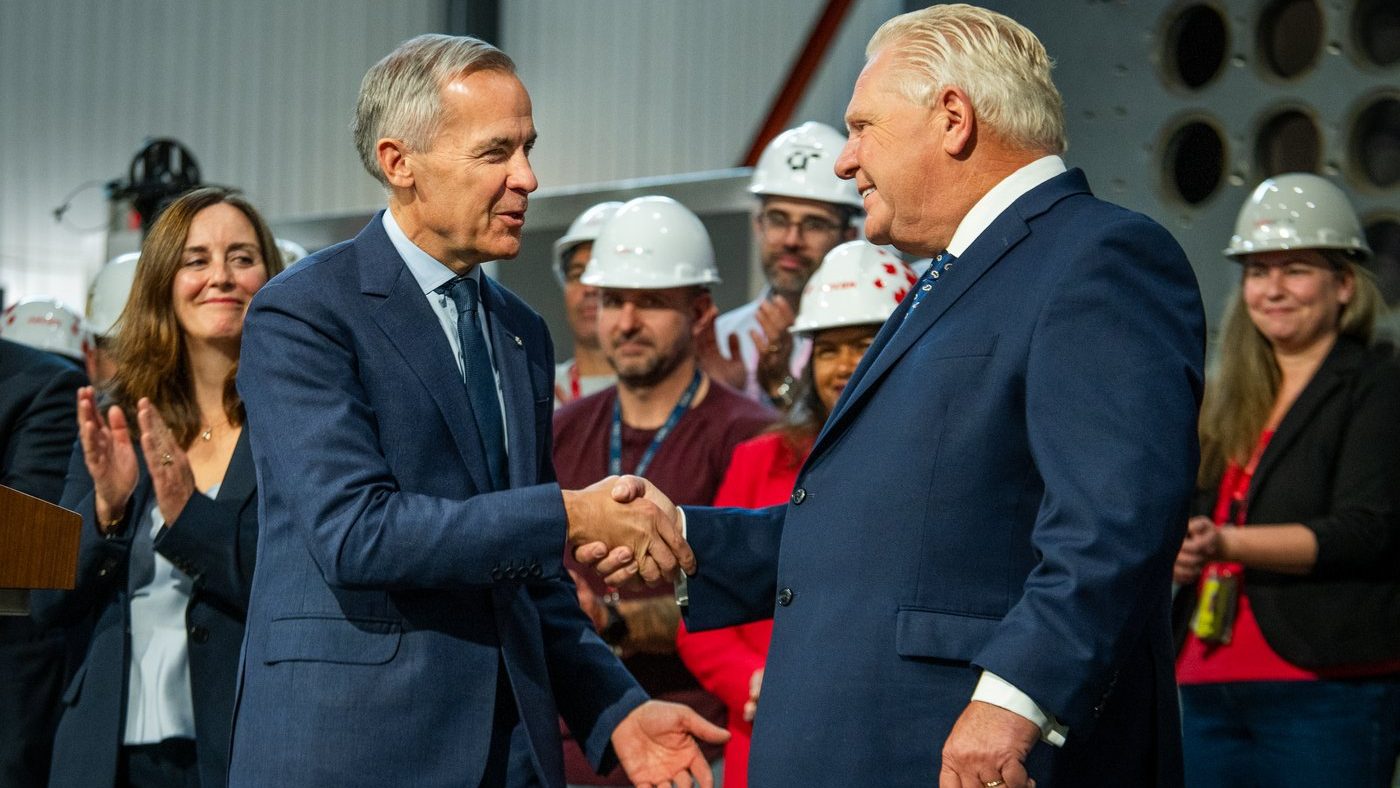
The comments follow Prime Minister Mark Carney’s announcement of a tariff‑quota agreement with Beijing that will allow up to 49,000 Chinese EVs into the Canadian market at significantly reduced tariff rates. In exchange, China is lowering duties on Canadian canola and removing tariffs on several other agricultural products — a deal the federal government has described as a “landmark” reset in Canada–China relations.
Ford, however, says the agreement is a direct threat to Ontario’s manufacturing base.
In a statement on Friday, the premier said, “China now has a foothold in the Canadian market and will use it to their full advantage at the expense of Canadian workers.“
He argued the deal opens the door to a surge of low‑cost Chinese EVs without securing equivalent investment commitments in Canada’s auto sector, supply chain or broader economy.
Ford warned that lowering tariffs on Chinese-made EVs could also jeopardize access to the U.S. market — the destination for the vast majority of Ontario-built vehicles — if American regulators view Canada as a backdoor for Chinese imports.
“This lopsided deal risks closing the door on Canadian automakers to the American market, our largest export destination, which would hurt our economy and lead to job losses,” said Ford.
The deal rewards labour violations and unfair trade practices, said Unifor national president Lana Payne in a news release.
“This is a self-inflicted wound to an already injured Canadian auto industry,” she said.
“Finding a resolution to U.S. auto tariffs just got more difficult.”
Ontario NDP Leader Marit Stiles blasted the lack of firm commitments from China to create new auto manufacturing jobs.
“Let me be clear: Mark Carney is selling out our auto sector,” said Stiles in a social media post. “Our workers deserve guarantees – you don’t protect an industry with maybes.”
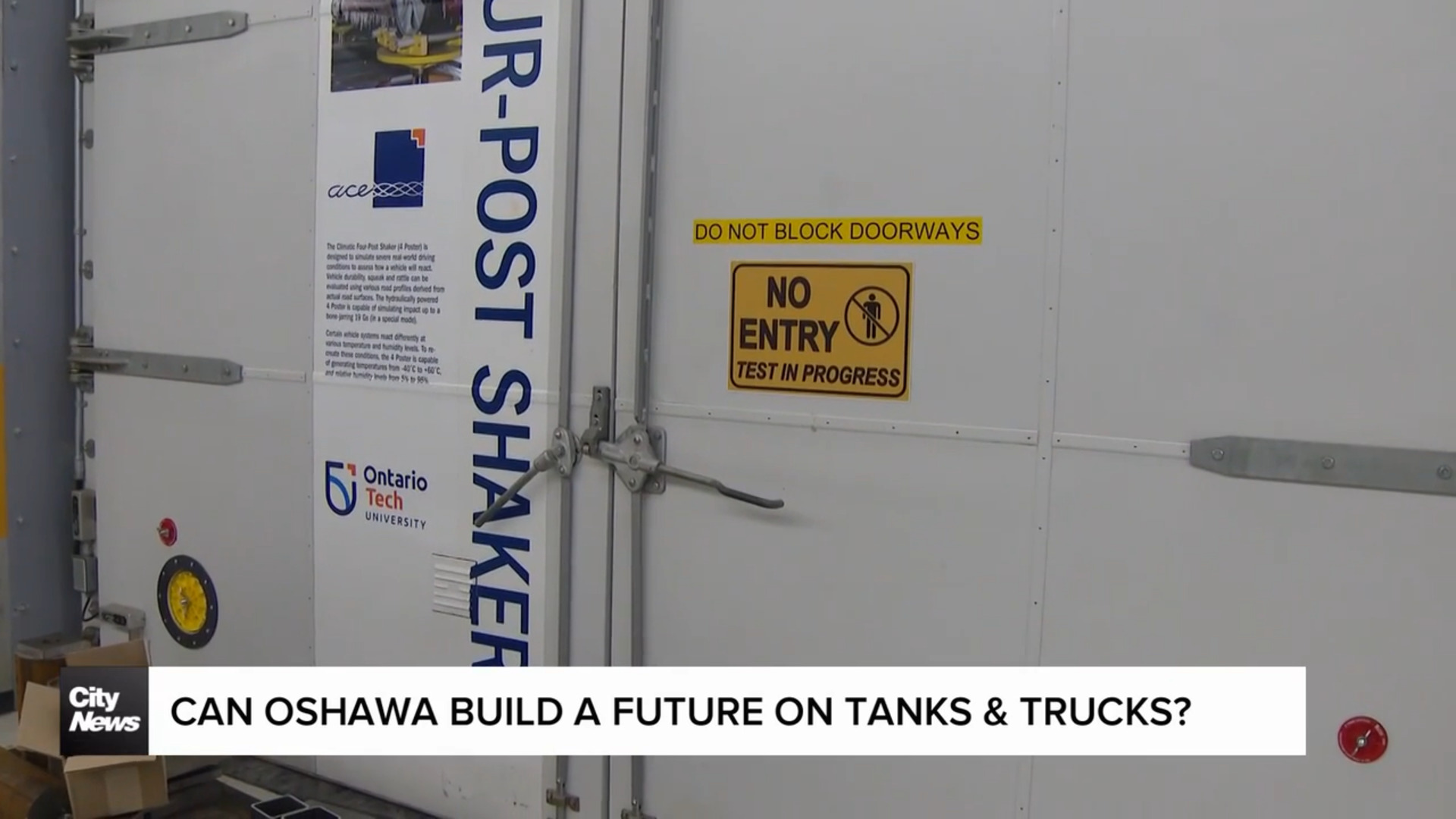
But with little to no Chinese EV presence in Canada, it’s hard to imagine the government could have secured a production guarantee, said Greig Mordue, associate professor at McMaster University’s W Booth School of Engineering.
“It’s a smart policy. Doesn’t give us a Chinese auto plant, but I don’t think anything would. So this is fine,” said Mordue, who previously was general manager of Toyota’s Canadian division.
He said the quota system was also how the federal government approached the rising threat of Japanese producers Toyota and Honda in the early 1980s, while a few years later the government used their established sales as leverage to push them to built plants in Canada.
He said the limited quota might not even be enough to incentivize Chinese brands to enter the Canadian market, but could see more China-produced Teslas, Polestars and Volkswagens come in. Either way, it’s not enough to affect domestic automakers, he said.
“This has virtually no impact on Canadian production.”
Ford calls for Ottawa to reverse course
Ford urged the federal government to “fix this mess” by adopting policies that he says would make Ontario’s auto sector more competitive.
“That means making the sector more competitive by ending the electric vehicle mandate, harmonizing regulations with key trading partners and scrapping federal fees that do nothing but add thousands to the cost of making vehicles and chase away investments,” Ford continued.
“Instead of importing made-in-China vehicles, the federal government needs to be focused on working with Ontario to bring investment and jobs to factory floors in Brampton, Oshawa, Ingersoll and across the province, where assembly lines are at risk or have already left the country.”
Ford’s statement concluded with “Canadians expect and deserve a federal government that gives them every shot at success” and urged the Prime Minister “to work with Ontario to strengthen Canada’s auto industry, not weaken it.”
The federal government has framed the agreement as a pragmatic step toward stabilizing relations with China after years of diplomatic and trade tensions. The deal is expected to reduce Chinese tariffs on Canadian canola seed by March and eliminate duties on canola meal, lobster, crab and peas until at least the end of 2026.
Prime Minister Carney has said the arrangement reflects “the world as it is today” and will help diversify Canada’s trade relationships while supporting farmers and exporters.
Files from The Canadian Press were used in this report