Discoverability, not French-language labels, the issue in’ trade talks: LeBlanc
Posted August 27, 2026 4:00 am.
Last Updated August 27, 2026 5:50 pm.
OTTAWA — The United States has withdrawn demands that Canada shelve French language protections as part of future trade talks, Canada-U.S. Trade Minister Dominic LeBlanc said Thursday, as he also acknowledged demands to remove French language labels from products were not part of the latest round of negotiations.
In a social media post LeBlanc said “Canada welcomes that the U.S. is now withdrawing its positions on discoverability and labelling and is confirming that measures to promote French language and Canadian culture will not be subject to future U.S. trade actions,” LeBlanc said on social media Thursday.
He said Canada looks forward to “further constructive U.S. clarifications on their other positions which would create the possibility of a mutually beneficial trade agreement that respects Canadian sovereignty.”
The Liberal government cited French language protections as one of the reasons it ended trade talks with the Americans, with Prime Minister Mark Carney mentioning both the visibility of Canadian content on streaming services, and French-language product labelling, when he spoke on Aug. 22 about the trade talks dissolving.
Four days later a government official, who refused to be quoted on the record, told The Canadian Press, labels were never part of the conversation.
LeBlanc then told Radio-Canada on Thursday the U.S. had identified French-language labels as a trade irritant in the past, but he said the issue in the trade talks before they ended on Friday was discoverability.
Those rules, which are currently under development at the CRTC, would ensure Canadian and French-language content is available and visible on online streaming platforms.
U.S. representatives have maintained they don’t have an issue with French language protections. U.S. Trade Representative Jamieson Greer told CBC Thursday U.S. President Donald Trump, “myself, and the U.S. government recognizes the importance and sensitivity of the French language in Canada.”
Commerce Secretary Howard Lutnick said Thursday he never brought up the issue of French.
“Do I care about how the Québécois speak? I mean, what could matter less to America? We don’t care. So the fact is, we never brought those words up.”
Greer has also maintained that the issue for the U.S. is streaming companies having to make financial contributions toward Canadian content.
Though the Liberal government has already backed away from those measures, both financial contributions and discoverability rules are part of part of the federal broadcast regulator’s work to implement the Online Streaming Act. It states streamers should ensure discoverability of Canadian programs, including French language content.
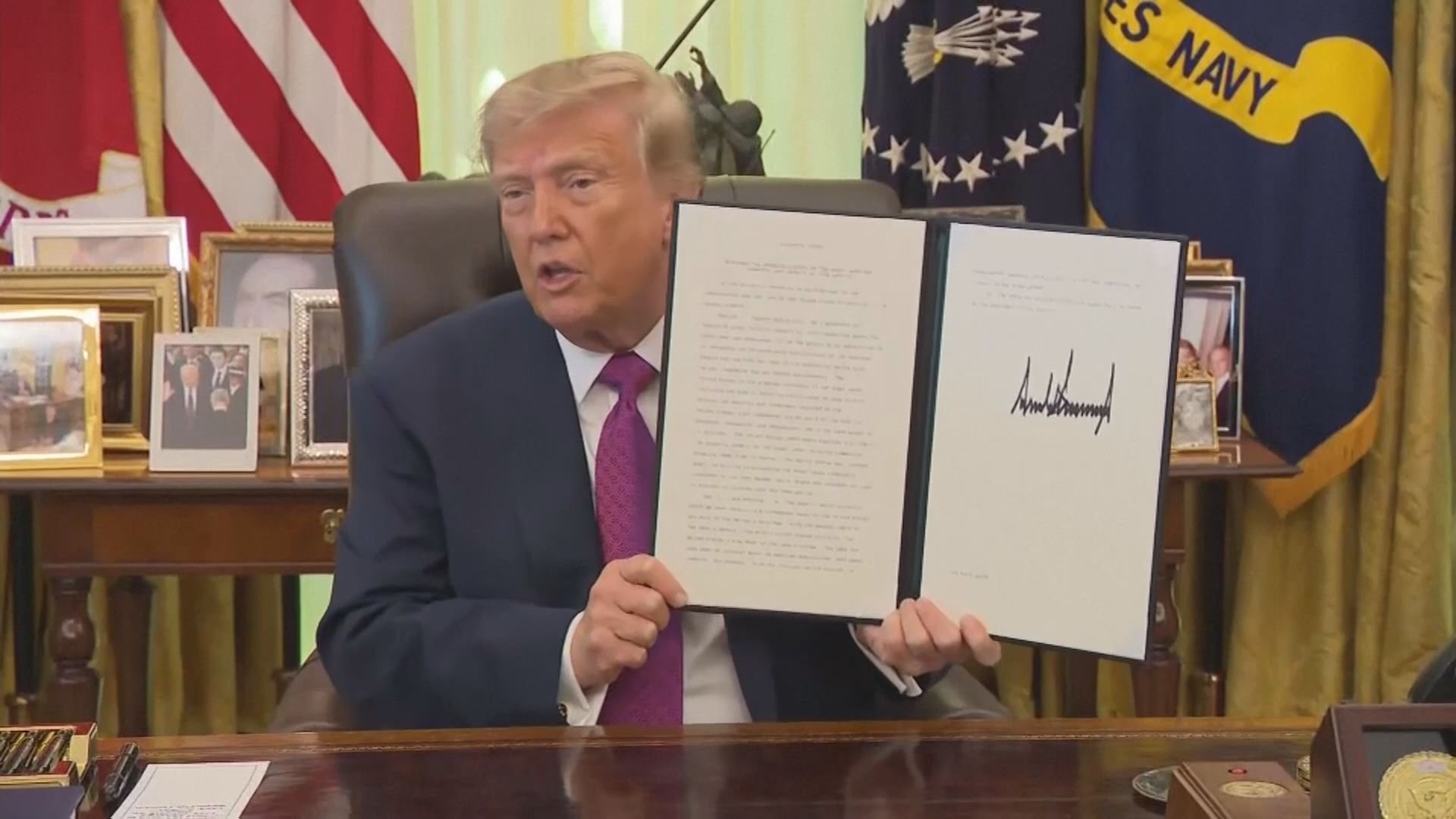
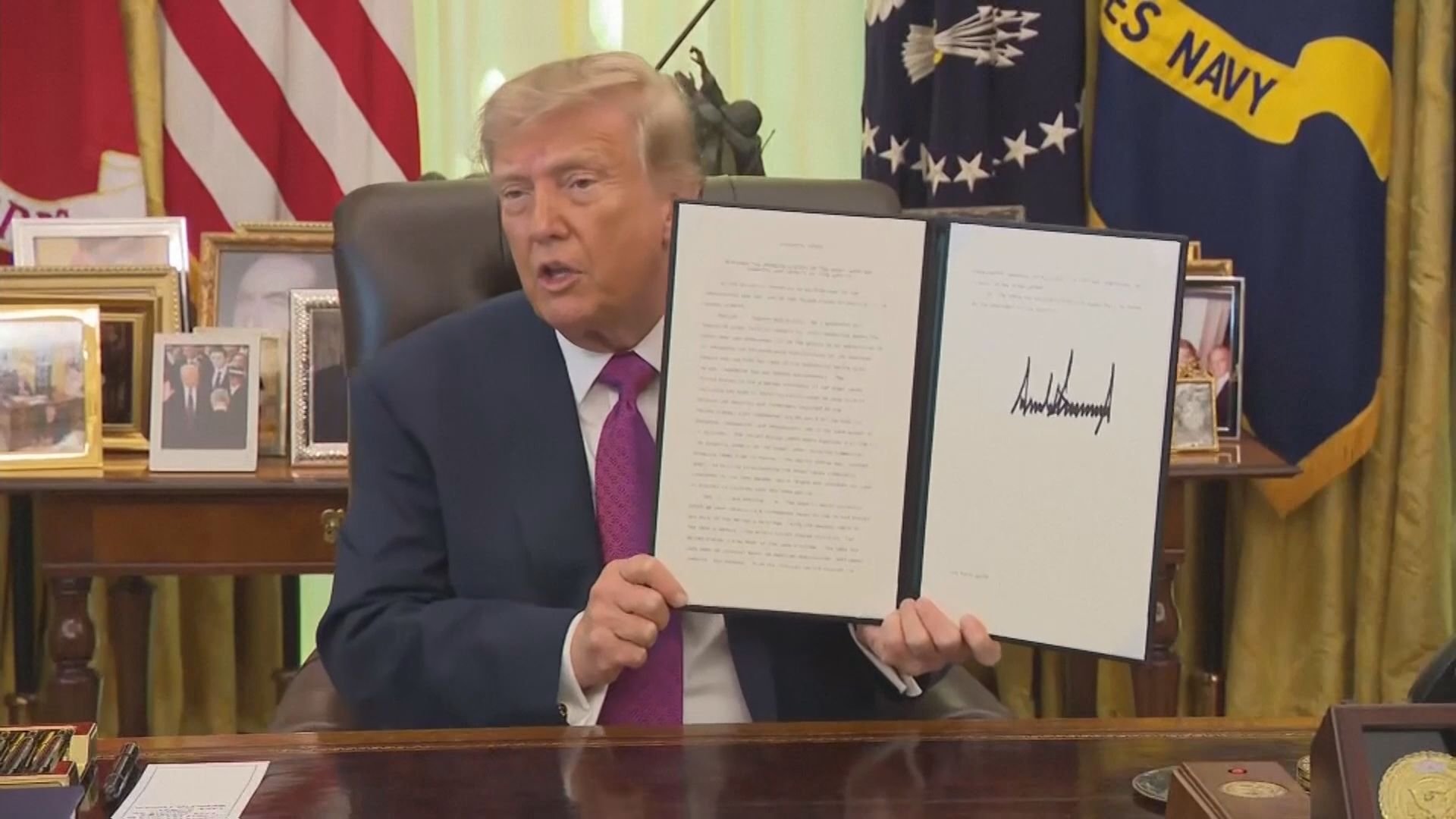
Tensions between the two countries have continued to worsen since trade talks fell apart last week, with both sides blaming the other for the breakdown and Trump grandstanding against Canada in the Oval Office, signing an executive order to change the name of Lake Ontario to Lake America.
After several weeks of intense negotiations, Carney suspended talks on Aug. 21 and summoned LeBlanc and the rest of the negotiating team back to Canada. In a media conference on Saturday Carney accused U.S. negotiators of trying to limit Canada’s ability to have other trade deals, restrict Canada’s protections of language and culture and reduce tariffs for cars but not trucks.
Greer has disputed Carney’s portrayal of why negotiations crumbled, telling CBC News that while U.S. negotiators had questions about the Online Streaming Act and Quebec’s Bill 109 regarding French discoverability on streaming sites, it was by no means a deal breaker.
Meanwhile, Canadian businesses continue to weather Trump’s latest duties while they await the planned reprisal from Ottawa to take effect.
Late Wednesday evening, Finance Canada issued a statement saying it had been receiving feedback from Canadian industries and is making some adjustments to the list of counter-tariffs. Canada’s response, spelled out on Tuesday, includes raising tariffs on U.S. steel and aluminum products from 25 to 50 per cent.
Ottawa will also impose tariffs ranging from 15 to 50 per cent on hundreds of other U.S. exports, including clothing and apparel, appliances and dairy products. The statement Wednesday said seafood and fish products were removed from the list.to protect against broader economic harm.
Canada’s retaliatory tariffs take effect Sept. 8.
Greer has stated on several occasions that if there is further Canadian retaliation, the Trump administration will not sit idly by and take it.
Finance Minister François-Philippe Champagne was asked abut those statements Thursday. He said Canada is taking a measured, strategic and targeted approach.
“We don’t want any escalation, but at the same time, we have been clear from the get-go we’re going to stand up for Canadian industry, Canadian workers and Canadian businesses,” he said.
“We did not choose that trade conflict. We’re just responding to what has been imposed on Canada.”
Speaking to reporters on Parliament Hill, Conservative MP Michelle Rempel Garner repeated her party’s call for details of the trade deal to be released, and for Parliament to be recalled.
She added the Conservatives also want to know if the government “has done a detailed costing analysis of potential retaliatory tariffs so that Canadians can understand what that means for them,” and to release that analysis.
This report by The Canadian Press was first published Aug. 27, 2026.
Anja Karadeglija, The Canadian Press