Hurricane Ian makes landfall in Florida. What you need to know
Posted September 28, 2022 3:33 pm.
Last Updated September 28, 2022 6:27 pm.
Hurricane Ian made landfall in southwest Florida near Cayo Costa on Wednesday as a massive Category 4 storm.
About 2.5 million people had been ordered to evacuate southwest Florida before the storm hit the coast with maximum sustained winds of 150 mph (241 kph).
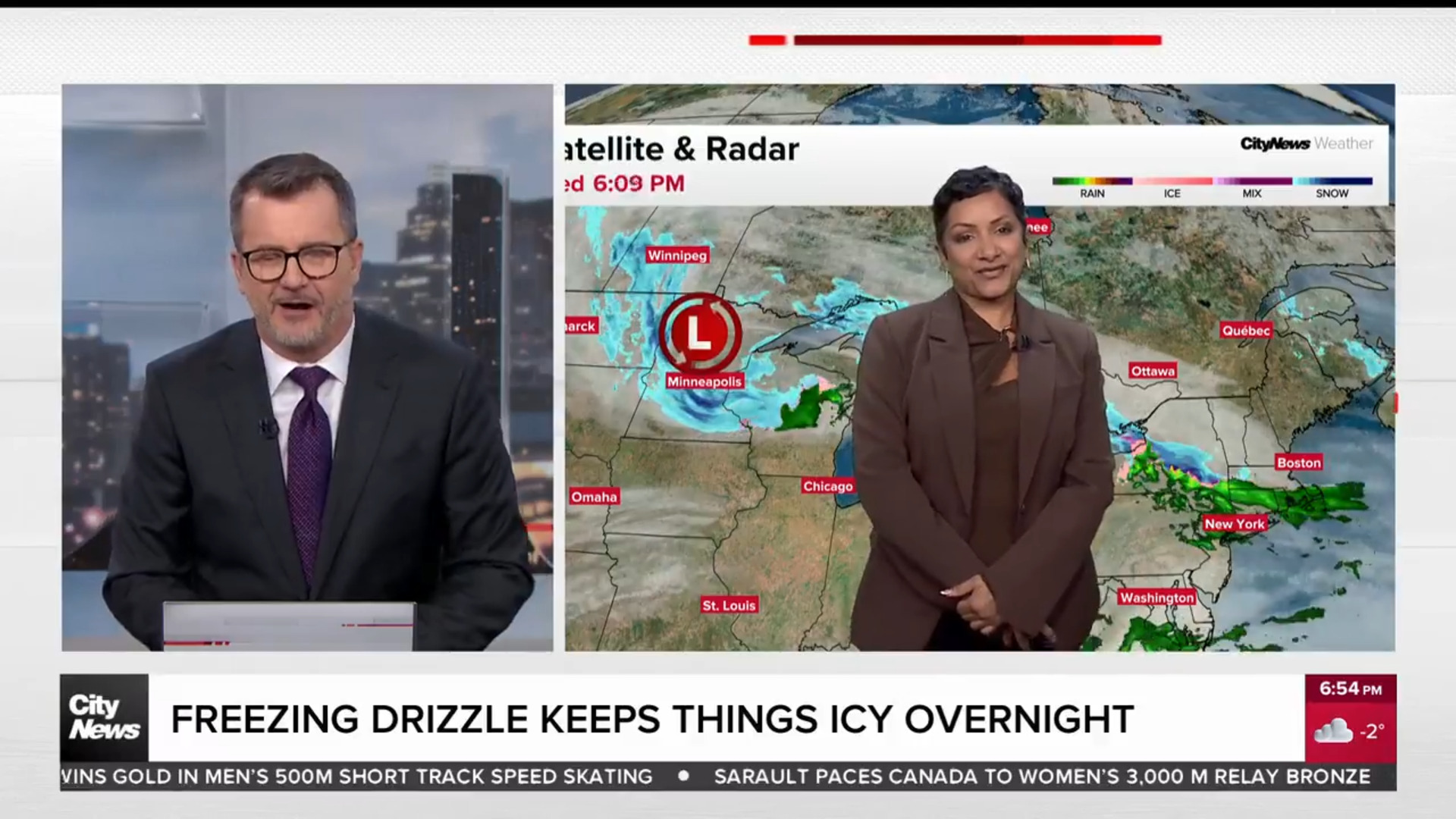
3:10pm -> From the @NHC_Atlantic category 4 Ian:
"…the eye of #Ian made
landfall along the southwestern coast of Florida near Cayo Costa
around 305 PM EDT" pic.twitter.com/f3qtQMxzhv— Natasha Ramsahai (@CityNatasha) September 28, 2022
The storm was heading inland, where it was expected to weaken, but residents in central Florida could still experience hurricane-force winds.
Before making its way through the Gulf of Mexico to Florida, Hurricane Ian tore into western Cuba as a major hurricane Tuesday, killing two people and bringing down the country’s electrical grid.
Hurricane Ian just short of monster Category 5 storm
The National Hurricane Center (NHC) said Wednesday that Ian brought “life-threatening” impacts to Florida, including destructive winds and flooding into Thursday.
“Ian is forecast to make landfall on the west coast of Florida as a catastrophic Category 4 hurricane,” the NHC warns. “Weakening is expected after landfall.”
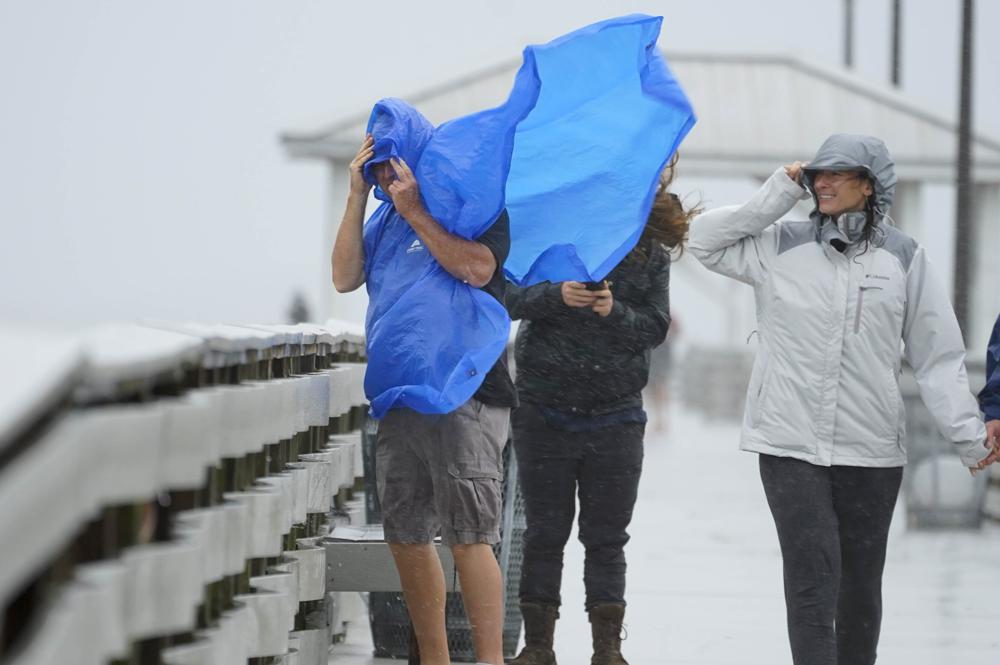
“This is going to be a nasty, nasty day, two days,” Florida Gov. Ron DeSantis said, stressing that people in Ian’s path along the coast should rush to the safest possible shelter and stay there.
Florida could receive significant amounts of rain through Friday. The Tampa area has the potential to see over 500 mm of rain in a 72-hour period. Daytona could see 200-300 mm, and the Miami area could get up to 150 mm.
Some areas in Florida have had 225-250+ mm of rain in September. CityNews meteorologist Natasha Ramsahai says Ian has the potential to drop 300-400-plus mm over the same area.
“Toronto’s average September rainfall is about 75 mm for comparison, and we’ve had about 23 mm so far [not including Tuesday].”
Ian’s landfall comes as parts of Atlantic Canada deal with Hurricane Fiona and its devastating impacts. Defence Minister Anita Anand reported the Canadian Armed Forces now has about 600 troops on the ground in Nova Scotia, Prince Edward Island and Newfoundland.
Prime Minister Justin Trudeau met Wednesday with shell-shocked residents of Port aux Basques, N.L., where Fiona destroyed about 100 homes, dragging some of them out to sea amid a record-breaking storm surge.
With files from The Associated Press