‘Fight for human rights’: Advocates want to see changes that support sex trade industry
Posted March 4, 2022 7:59 am.
Last Updated March 4, 2022 8:24 am.
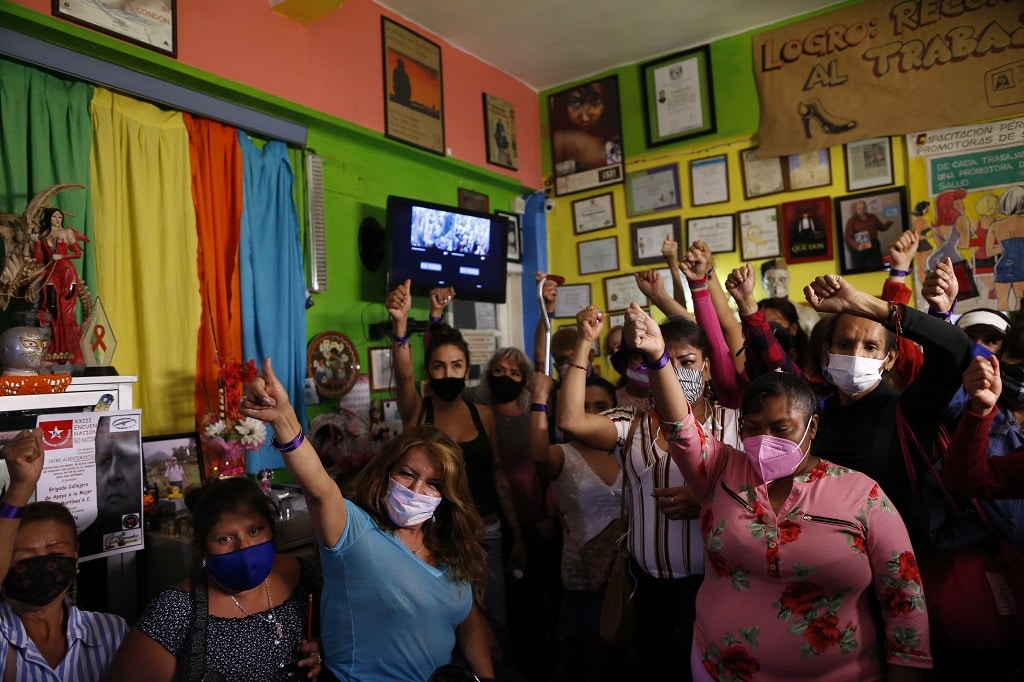
On March 3, 2001, a Kolkata, India, based organization that supports the rights of sex workers coordinated a festival that drew thousands, with the initiative to bring attention to the existing issues of labour rights and discrimination faced by those in the sex trade industry.
Thursday marked International Sex Workers’ Rights Day, which is celebrated by sex workers and justice organizations across the world.
“The point behind it is really to fight for human rights and protections of sex workers’ rights now — who in Canada and also globally are dealing with a wide range of criminalization, heightened policing, surveillance and stigma in certain communities,” says Ellie Ade Kur, a board director at Maggie’s Toronto, one of Canada’s oldest sex workers justice organizations.
Kur adds that March 3 has a heightened level of importance as Canada is in the midst of constitutional challenges launched by the Canadian Alliance of Sex Work Law Reform, including a review of Bill C-36, which many see as outdated laws that criminalize sex work, disproportionately impacting those in the industry and their valuable supports systems.
“When criminal laws target not only sex workers but the clients of sex workers, when they target advertising platforms and third parties such as booking agencies who screen drivers, security guards as well, you see legal policy that is directed and targeting the networks that keep our industry safe.”
She maintains that when existing laws focus on eradicating sex work, it undermines working conditions, taking away the ability to organize and improve working environments.
In February of 2020, an Ontario judge had ruled that sections of Canada’s prostitution law violated the constitution in a case involving a London couple and their escort service, after it was raided by law enforcement in 2015.
Though the charges of human trafficking were dropped, the Anwars were charged with making money from the sex trade and advertising sexual services. Charges that were eventually stayed by the judge.
The couple were strong in arguing that their business was reflective of any other, providing protection to their workers. And while many hoped the case would be precedent setting, the judge ruled it was unconstitutional for this case only.
Kur says that there are many ways to support the fight to decriminalize the sex trade industry. These include direct support, which goes directly to Maggies Toronto’s COVID assistance programming, emergency food boxes, and survival fund for sex workers who haven’t been able to access government aid or emergency benefits.
“And the other piece as well I think is that in your day to day life is always to be working to challenge stigma and violence against sex workers. Even in moments where innocuous jokes are made of those in our community, to stand up against that and challenge those remarks.”
Maggie’s Toronto celebrated International Sex Workers’ Rights Day by holding an Instagram live session where they read stories shared by those in the community.