Sexual assault survivor working to make publication bans a choice for victims
Posted March 14, 2023 5:46 pm.
Last Updated March 14, 2023 6:14 pm.
A sexual assault survivor in Ontario is fighting to be given a choice for other survivors to be able to speak out about their experience rather than be silenced by a court-ordered publication ban.
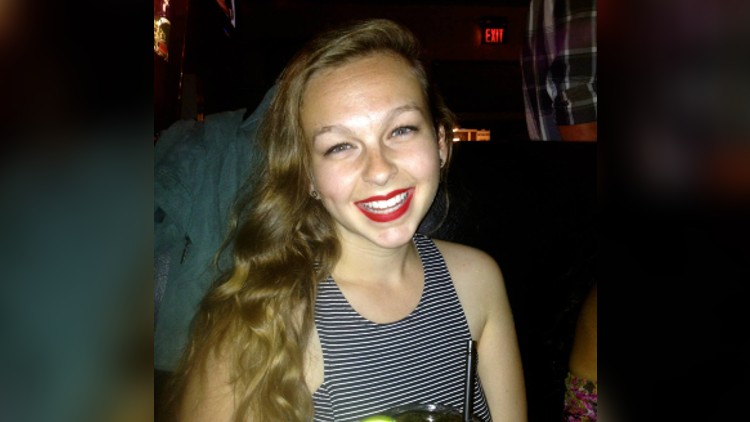
Morrell Andrews was sexually assaulted by a 64-year-old man when she was 18 years old and lost her voice to a gag order when her abuser pleaded guilty. Now 28 years old, she is closer than ever to accomplishing what she and many others have requested for years.
She didn’t ask for a publication ban and only found out about it when she wanted to share her victim impact statement. Andrews was told she couldn’t. Her choice was taken away by the assailant and then again by the courts.
“You can’t talk about it, and if you do, you can be fined $5,000 or go to jail for two years,” explained Andrews. “I couldn’t talk about my experience; that is the most crushing thing to be told.”
“Fundamentally, this is a discussion about consent and sexual offences. The nature of the crime is that consent has been taken away from a person, and when the legal system also turns around and takes, essentially, the consent of someone when it comes to using their voice to speak about the harm and the abuse they’ve experienced. It is another victimization,” she said. “I was told the pub ban was to help me, but I felt like I was trapped.”
The publication ban on her case was eventually lifted on May 15, 2021 — six weeks after the guilty plea. Andrews said the offender’s attorney attempted to oppose her application for the publication ban to be lifted.
“He tried to argue in court why I should be permanently silenced.”
Andrews reaches out to MPs, Senators for assistance
After the media covered the story, the crown attorney stepped in. She said having her ban lifted after six weeks was lucky, as some have been forced to wait years.
“Other people I work with and collaborate with on this advocacy, some of them have had to go years to have their publication bans lifted finally. Or even to discover that they’ve been subjected to these gag orders against their wishes.”
Andrews has since connected with MPs and Senators and given them recommendations on approaching this issue. She would like to see sexual assault victims have the right to choose whether they would like a publication ban to be in place rather than it be automatic.
“Publications bans are useful. Some people find they provide protection and are helpful; other people do not,” said Andrews.
“Women have to go back to court and justify to, not only the court but to their offenders and people that caused them harm about why they should be allowed to speak. We don’t ask other victims of other crimes to do this. It is patronizing and humiliating to ask for permission to speak and consult the person who caused you harm.”
Andrews added that while not all survivors may make this choice, it should be available.
“It’s hard to say because there’s still a lot of stigma around these crimes. It’s a very personal decision. It might not be the majority of people, but that doesn’t really matter,” she said.
“Many more people are interested in talking about their experiences, and in all cases, people should be empowered to do that. It’s certainly not a requirement, but if you want to talk about it, I think it can be a positive and meaningful contribution to the discourse and hopefully change our society.”
Petition launched in support of change
Andrews said after testifying to the Standing Committee. They agreed this section of the criminal code should be changed.
“Begging for my right to speak was humiliating, and the court dignifying the offender why could be permanently silenced, dehumanizing and traumatizing. I told myself to remember what it was like to be shattered by the legal system and that one day I would try to do something about it,” said Andrews in a testimony to the Standing Committee in October.
She also launched a petition supporting the change that closed this past week with 5,000 signatures nationwide.
They hope the petition will be tabled in the House of Commons by the NDP during the first week of May, hopefully leading to legislation that would enact real change.
“I’m ever the optimist, so I’m hoping before the summer that we’ll see some movement on this because it will positively impact so many people. And it’s just one marginal change in a broader system that needs to be fixed.”